GITAM Ph.D. (ECE) FAQs
Q1: What are the main research areas in the Ph.D. Electronics and Communication Engineering program?
Ans. Research areas include signal processing, wireless networking, microelectronics, telecommunications, VLSI design, IoT, and AI/ML applications in communications. Students can specialize in industrial automation, telecom protocols, and signal and image processing based on interests and faculty expertise.
Q2: What are the career prospects after completing this Ph.D. from GITAM?
Ans. Graduates pursue careers as research scientists, electronics design engineers, telecommunications engineers, VLSI engineers, signal processing engineers, IoT engineers, and AI/ML engineers. With India's electronics market projected to reach 400 billion dollars with 41% CAGR, PhD graduates are positioned for diverse career opportunities in technological and manufacturing sectors.
Q3: Does the program provide industry exposure and internship opportunities?
Ans. Yes, GITAM collaborates with DRDO, Bosch, Capgemini, and L&T. Ph.D. scholars participate in industry-sponsored research projects, attend industry seminars, and gain practical experience. The mandatory venture development course encourages innovative product creation with business potential.
Q4: What infrastructure and facilities are available for Ph.D. research?
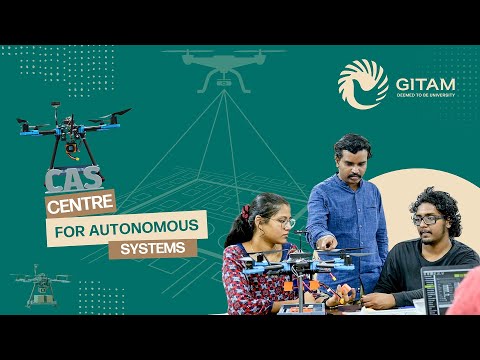
Ans. Facilities include Centre for Autonomous Systems, EMI/EMC Lab, Communications and Radar Lab, Signal & Image Processing Lab, Harvard-Style Classrooms, MURTI Multidisciplinary Research Centre, NextGen Connectivity Research Lab, and Applied Electromagnetics Lab.
Q5: What is the liberal education model and how does it benefit Ph.D. scholars?
Ans. The liberal education model allows Ph.D. scholars to earn 24 credits across Business, Law, Sciences, Humanities, Architecture, and Physiotherapy. This interdisciplinary approach develops broader perspective, understanding of research applications in different domains, and soft skills enhancing career prospects.
Q6: Can I pursue this Ph.D. if my master's degree is in Electronics and Instrumentation Engineering?
Ans. Yes, candidates with master's degrees in Electronics and Instrumentation Engineering, Instrumentation Engineering, Telecommunication Engineering, Medical Electronics, or Biomedical Engineering are eligible if meeting minimum qualification requirements and having valid entrance exam scores.







 (1).png?h=78&w=78&mode=stretch)



















.jpg?h=90.56&w=161&mode=stretch)


 (1).png?h=72&w=72&mode=stretch)


.png?h=72&w=72&mode=stretch)


![Aditya Engineering College - [AEC]](https://image-static.collegedunia.com/public/college_data/images/logos/1591109396Annotation20200602201850.jpg?h=72&w=72&mode=stretch)


.png?h=72&w=72&mode=stretch)





Comments