



Institute of Science B.Sc Electronics FAQs
Ques. What is the difference between B.Sc Electronics and B.Sc Computer Science?
Ans. B.Sc Electronics focuses on the design, development, and application of electronic devices and systems, including microprocessors, digital circuits, and communication systems. The curriculum emphasizes hardware design and electronic circuit analysis. B.Sc Computer Science, on the other hand, focuses on software development, programming, algorithms, and data structures. While both programs have some overlap in subjects like digital systems and microprocessors, Electronics is more hardware-oriented while Computer Science is more software-oriented. Students interested in hardware design, embedded systems, and telecommunications should opt for Electronics, while those interested in software development and IT should choose Computer Science.
Ques. What are the career prospects after completing B.Sc Electronics?
Ans. Graduates of B.Sc Electronics have diverse career opportunities in various sectors. They can work as Electronics Engineers, Embedded Systems Engineers, Telecommunications Engineers, or Quality Assurance Engineers in companies like TCS, Infosys, Wipro, and other IT and electronics firms. Many graduates also pursue higher studies through M.Sc Electronics or M.Tech programs. Some graduates opt for government jobs through competitive exams like UPSC and MPSC. The average salary for B.Sc Electronics graduates ranges from 3-6 LPA in the initial years, with potential for growth based on experience and specialization. The field offers opportunities in research and development, manufacturing, telecommunications, and emerging areas like IoT and embedded systems.
Ques. Is Mathematics compulsory for B.Sc Electronics admission?
Ans. Yes, Mathematics is a compulsory subject for B.Sc Electronics admission. Candidates must have studied Physics and Mathematics as main subjects in their 10+2 examination. Mathematics is essential for understanding the theoretical concepts in electronics, including circuit analysis, signal processing, and digital systems. Students without Mathematics in 10+2 are not eligible for admission to this program. Chemistry is also recommended as it helps in understanding the physical properties of electronic materials and components.
Ques. What is the scope of practical training in the B.Sc Electronics program at Institute of Science, Nagpur?
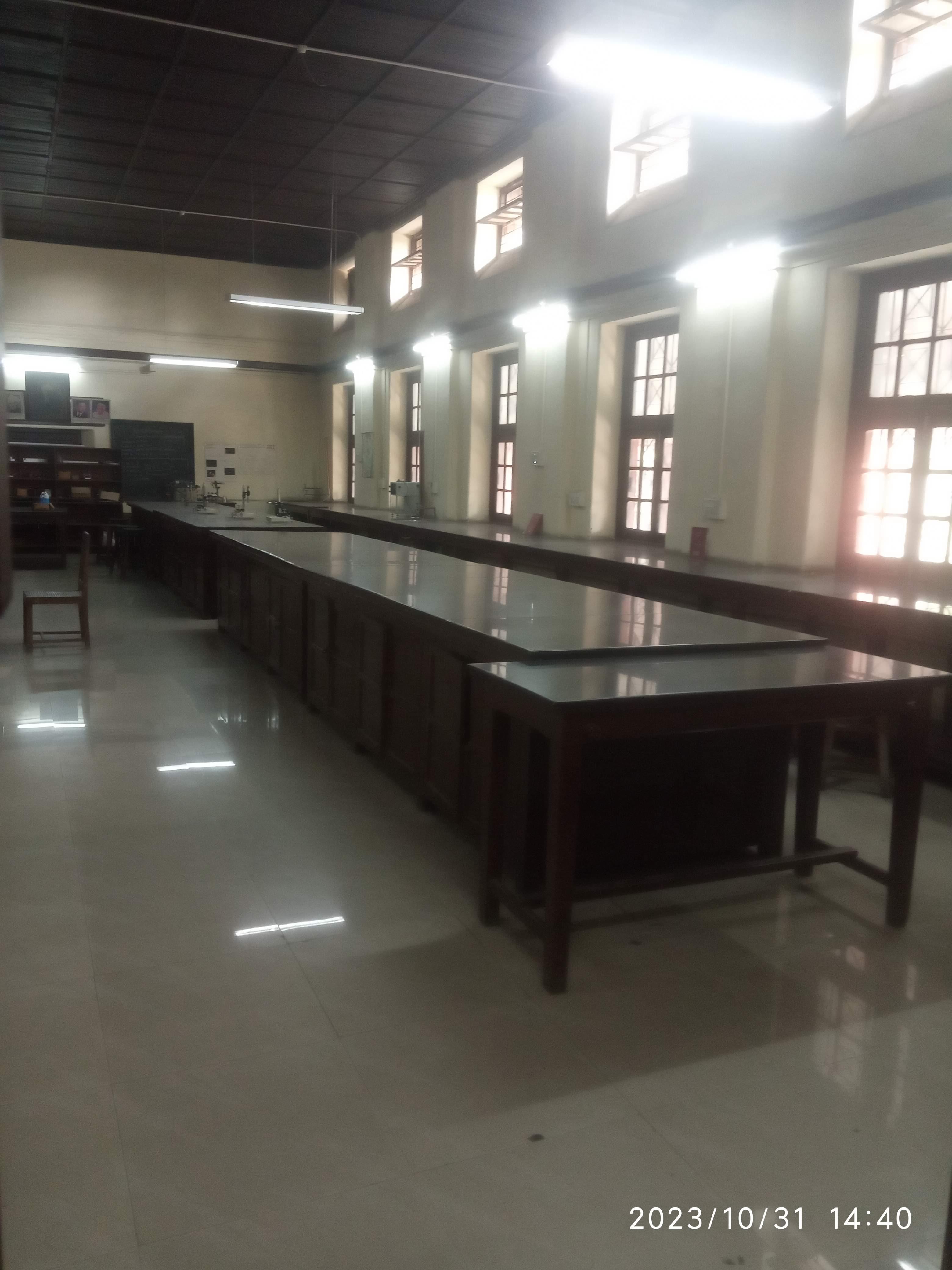
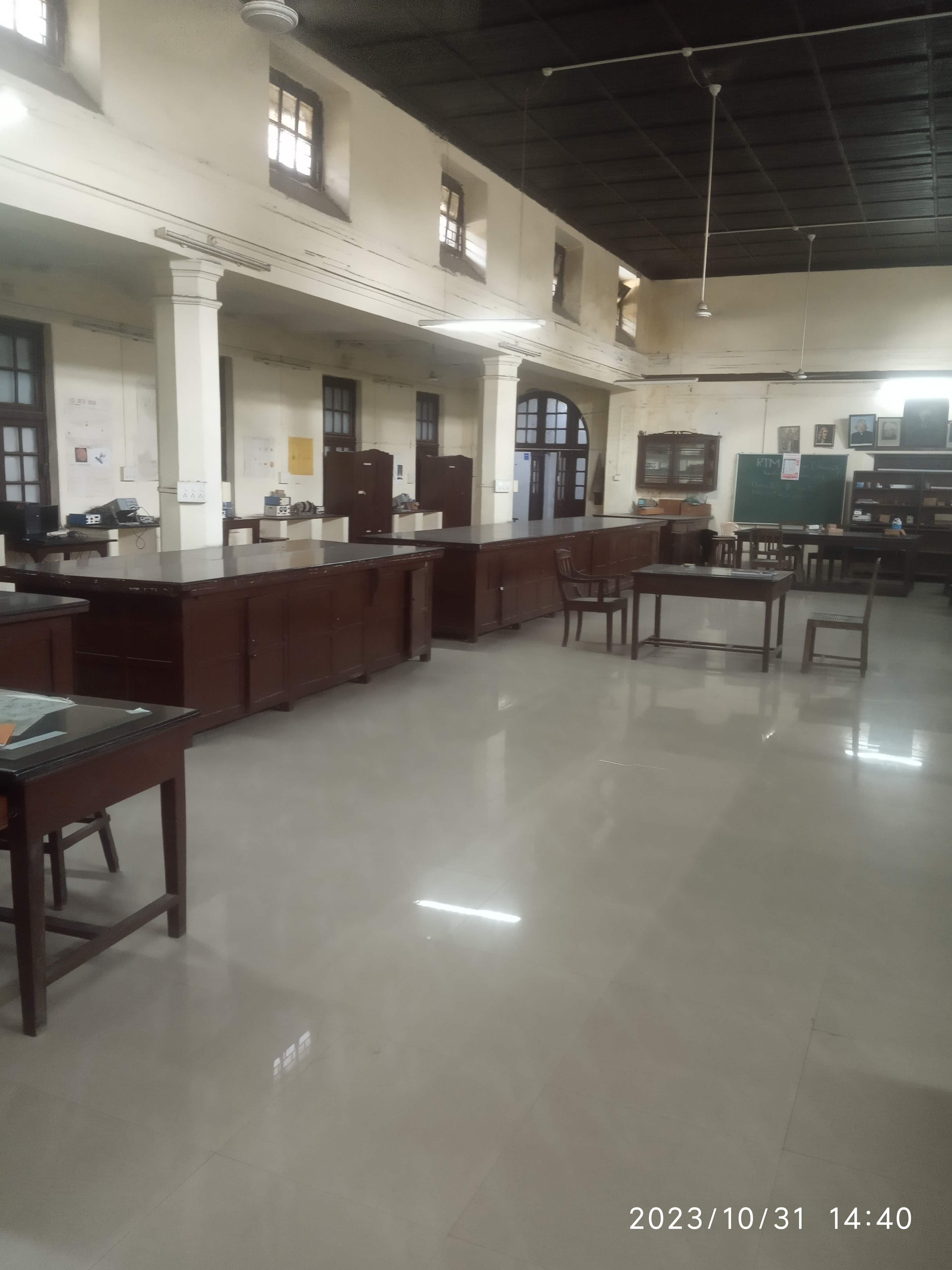
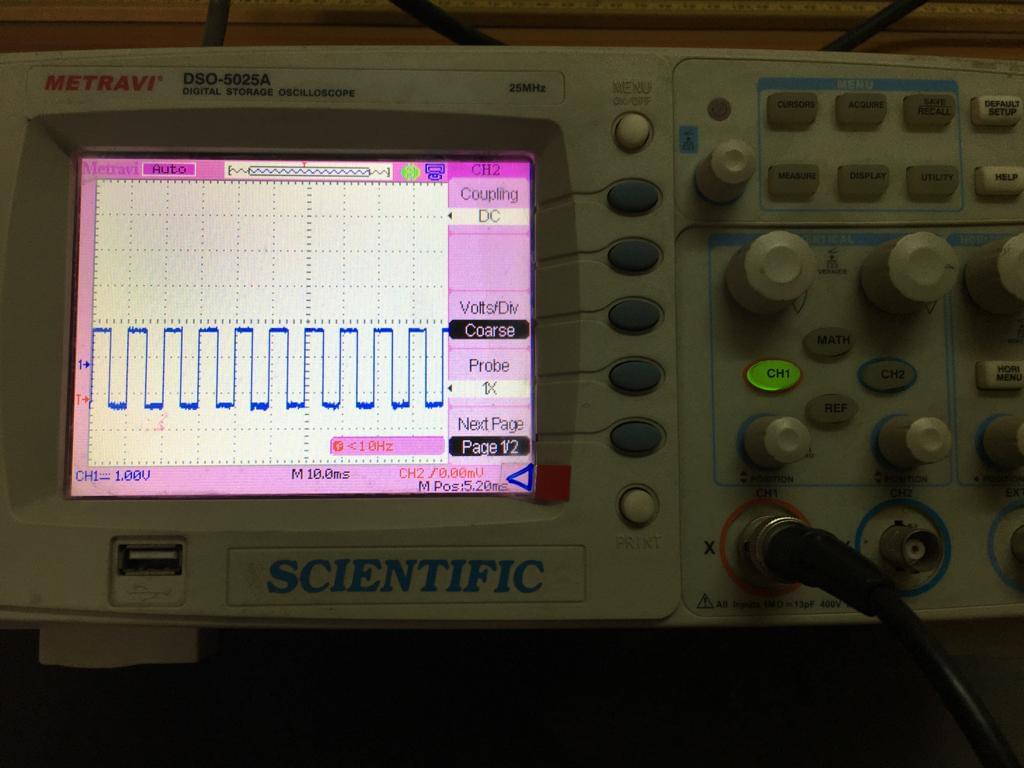
Ans. The B.Sc Electronics program at Institute of Science, Nagpur emphasizes practical learning through well-equipped laboratories. Students get hands-on experience with modern electronic equipment and instruments available in the Central Instrumentation facility. The curriculum includes practical sessions in digital electronics, microprocessors, communication systems, and signal processing. Students conduct experiments, design circuits, and work on projects that simulate real-world applications. The institute also facilitates industrial visits and internships, allowing students to gain practical exposure to electronics manufacturing and telecommunications companies. This practical training is crucial for developing problem-solving skills and preparing students for professional roles in the electronics industry.
Ques. Can I pursue higher studies after B.Sc Electronics?
Ans. Yes, B.Sc Electronics graduates can pursue various higher education options. The most common choice is M.Sc Electronics or M.Sc Physics, which provides advanced knowledge in specialized areas of electronics. Graduates can also pursue M.Tech programs in Electronics, Embedded Systems, or Telecommunications from various IITs and other engineering colleges. Some graduates opt for professional certifications in areas like VLSI design, embedded systems, or telecommunications. Additionally, graduates can pursue research-oriented programs like Ph.D. in Electronics or related fields. The institute also provides information about INSPIRE Scholarship and other research scholarships for students interested in pursuing research careers. Many graduates successfully clear competitive exams like GATE and NET to pursue research and academic careers.
Ques. What is the admission process timeline for B.Sc Electronics at Institute of Science, Nagpur?
Ans. The admission process for B.Sc Electronics typically follows a merit-based system. The application form is usually released in May each year, with the application deadline in June. After the deadline, the institute prepares a merit list based on 10+2 marks, which is declared in June. Counselling rounds are conducted in June-July where selected candidates are called for document verification and seat allocation. The final admission confirmation happens after fee payment and registration, typically by July. The academic session commences on June 16 each year. Candidates are advised to regularly check the official website (iscnagpur.ac.in) for updates on admission dates and procedures. The institute conducts multiple rounds of counselling to fill all available seats, so candidates who miss earlier rounds may get opportunities in subsequent rounds.








































Comments