



M.Sc/B.Sc from The University Of Manchester, Manchester - Fees & Admission Details 2026


Ixn3m3 The University of Manchester?
19 September 2025: The University of Manchester LLM fee 2026 is released. The fee is set at £31,000 (₹37.06 lakhs) for international students. Check program details.
Tuition fees at University of Manchester for international students in 2026 mainly depend on your course and study level. Undergraduate programs usually range between £26,000 and £39,900 per year (₹32–50 lakhs), while postgraduate courses can vary widely from £7,000 to £49,000 (₹8–62 lakhs).
Some popular courses and their approximate fees are:
- MBA – £49,000 (₹62 lakhs)
- MSc Data Science – £35,200 (₹43.36 lakhs)
- MSc Finance – £37,800 (₹46.52 lakhs)
- MSc International Business & Management – ~£33,000–£37,000 (₹40–46 lakhs)
For popular master’s courses like Management, Finance, and Data Science, fees usually sit in the £33,000–£39,000 (₹41–49 lakhs) range, whereas the MBA is among the highest at £49,000 (around ₹62 lakhs). Along with tuition, students should plan for living costs in Manchester, which generally come to about £900–£1,200 (₹1.1–1.5 lakhs) per month, making it a more affordable UK city compared to places like London.
Check admission details for University of Manchester
- University of Manchester Fees 2026
- University of Manchester Tuition Fees
- Alliance Manchester Business School MBA Expenses
3.1 Tuition Fees
- MSc Finance Other Expenses
4.1 Tuition Fees
4.3 Tuition Fee Trend (Year-wise)
- University of Manchester Cost of Living
- University of Manchester Comparison with Other Universities
University of Manchester Fees 2026
At University of Manchester, tuition fees for 2026 vary depending on the course level. Undergraduate courses cost around ₹32–50 lakhs per year. Postgraduate courses range widely from ₹8–62 lakhs. The MBA is on the higher side, costing around ₹62 lakhs annually.
| Level | Annual Tuition Fees Range (in GBP) | Annual Tuition Fees Range (in INR) |
|---|---|---|
| Undergraduate Courses | £26,000-£39,900 | ₹32.7 – ₹50.2 Lakhs |
| Postgraduate Courses | £7000-£49,000 | ₹8.8 – ₹61.7 Lakhs |
| MBA | £49,000 | ₹62 Lakhs |
University of Manchester Tuition Fees 2026
Here’s a quick look at popular courses at University of Manchester along with their duration and tuition fees for 2026:
| Course Name | Duration | Tuition Fees (GBP) | Tuition Fees (INR) |
|---|---|---|---|
| MBA | 18 Month | £49,000 | ₹62 Lakhs |
| MSc Data Science | 1 year | £35,200 | ₹43.36 lakhs |
| MSc Management (MiM) | 1 year | £33,100 | ₹40.76 lakhs |
| MSc Finance | 1 year | £37,800 | ₹46.52 lakhs |
| MSc Computer Science (Advanced) | 1 year | £39,400 | ₹48.53 lakhs |
| MEng Civil Engineering | 1 year | £35,700 | ₹43.95 lakhs |
| BSc Computer Science | 3 years | £37,800 | ₹46.52 lakhs |
| BSc Management | 3 years | £33,100 | ₹40.76 lakhs |
| BEng Mechanical Engineering | 3 years | £35,700 | ₹43.95 lakhs |
| LLB Law | 3 years | £28,400 | ₹34.98 lakhs |
| BSc Accounting & Finance | 3 years | £33,100 | ₹40.76 lakhs |
Also check UK Scholarships for Indian Students
Alliance Manchester Business School MBA Expenses
The total annual cost for the MBA program is approximately £65,852 (₹80–81 Lakhs), including tuition and living expenses.
Tuition Fees
| Expense Type | Cost (GBP) | Cost (INR) |
|---|---|---|
| Tuition Fee | £49,000 | ₹60.38 Lakhs |
| Application Fee | £60 | ₹7,246 |
Living Expenses Breakdown
| Expense Head | Cost (GBP) | Cost (INR) |
|---|---|---|
| Housing | £9,880 | ₹11.93 Lakhs |
| Food | £2,040 | ₹2.46 Lakhs |
| Transportation | £840 | ₹1.01 Lakhs |
| Other Expenses | £4,092 | ₹4.94 Lakhs |
| Total Living Cost | £16,852 | ₹20.35 Lakhs |
MBA Tuition Fee Trend
MBA fees show overall fluctuation, with a recent increase of £1,000 from 2024 to 2026, while still lower than the 2021 peak.
| Year | Tuition Fee (GBP) | Tuition Fee (INR) |
|---|---|---|
| 2026 | £49,000 | ₹60.38 Lakhs |
| 2024 | £49,000 | ₹59.17 Lakhs |
| 2023 | £45,000 | ₹54.34 Lakhs |
| 2022 | £45,000 | ₹54.34 Lakhs |
| 2021 | £63,480 | ₹76.66 Lakhs |
University of Manchester MSc Finance Expenses
The total annual cost for MSc Finance is approximately £54,652 (₹66 Lakhs), which includes tuition fees + living expenses.
Tuition Fees
| Expense Type | Cost (GBP) | Cost (INR) |
|---|---|---|
| Tuition Fee | £37,800 | ₹45.65 Lakhs |
| Application Fee | £60 | ₹7,246 |
Living Expenses Breakdown
| Expense Head | Cost (GBP) | Cost (INR) |
|---|---|---|
| Housing | £9,880 | ₹11.93 Lakhs |
| Food | £2,040 | ₹2.46 Lakhs |
| Transportation | £840 | ₹1.01 Lakhs |
| Other Expenses | £4,092 | ₹4.94 Lakhs |
| Total Living Cost | £16,852 | ₹20.35 Lakhs |
Tuition Fee Trend (Year-wise)
Tuition fees have generally increased over time, with a rise of £1,800 (₹2.17 Lakhs) from 2023 to 2026, reflecting growing demand and inflation trends.
| Year | Tuition Fee (GBP) | Tuition Fee (INR) |
|---|---|---|
| 2026 | £37,800 | ₹45.65 Lakhs |
| 2023 | £36,000 | ₹43.47 Lakhs |
| 2022 | £32,000 | ₹38.64 Lakhs |
| 2021 | £42,470 | ₹51.29 Lakhs |
University of Manchester Cost of Living
As per the University's official website, the cost of living for University of Manchester UG and PG courses is tabulated below:
Undergraduate Students
| Expense | Undergraduate Year (41 weeks) | Monthly Cost (based on 41 weeks) |
|---|---|---|
| Accommodation (Self-catered)* | £7,875 (₹9,89,573) £7,985 catered (₹10,03,395) |
£787.50 (₹98,957) £798.50 catered (₹1,00,339) |
| Groceries** | £1,700 (₹2,13,622) |
£170 (₹21,362) |
| Takeaways | £580 (₹72,883) |
£58 (₹7,288) |
| Transport | £700 (₹87,962) |
£70 (₹8,796) |
| Going Out & Socialising | £1,100 (₹1,38,226) |
£110 (₹13,823) |
| Mobile Phone | £350 (₹43,981) |
£35 (₹4,398) |
| Clothes | £460 (₹57,804) |
£46 (₹5,780) |
| Health & Wellbeing | £130 (₹16,336) |
£13 (₹1,634) |
| Course Materials | £160 (₹20,106) |
£16 (₹2,010) |
| Holidays & Events | £140 (₹17,592) |
£14 (₹1,759) |
| Gifts & Charity | £210 (₹26,389) |
£21 (₹2,639) |
| Financial Support to Relatives/Friends | £280 (₹35,185) |
£28 (₹3,518) |
| Total | £13,685 (₹17,19,157) |
£1,368.50 (₹1,71,916) |
Postgraduate students
| Expense | Postgraduate Year (52 weeks) | Monthly Cost (based on 52 weeks) |
|---|---|---|
| Accommodation (Self-catered) | £9,880 (₹12,41,521) |
£823 (₹1,03,417) |
| Groceries | £2,040 (₹2,56,346) |
£170 (₹21,362) |
| Takeaways | £696 (₹87,459) |
£58 (₹7,288) |
| Transport | £840 (₹1,05,554) |
£70 (₹8,796) |
| Going Out & Socialising | £1,320 (₹1,65,871) |
£110 (₹13,823) |
| Mobile Phone | £420 (₹52,777) |
£35 (₹4,398) |
| Clothes | £552 (₹69,364) |
£46 (₹5,780) |
| Health & Wellbeing | £156 (₹19,603) |
£13 (₹1,634) |
| Course Materials | £192 (₹24,127) |
£16 (₹2,010) |
| Holidays & Events | £168 (₹21,111) |
£14 (₹1,759) |
| Gifts & Charity | £252 (₹31,666) |
£21 (₹2,639) |
| Financial Support to Relatives/Friends | £336 (₹42,222) |
£28 (₹3,518) |
| Total | £16,852 (₹21,17,032) |
£1,404 (₹1,76,430) |
Reddit, Quora & YouTube Insights from Indian Students on University of Manchester Fees and Costs
Indian students often highlight that Manchester offers a strong balance between top-ranked education and relatively affordable living, especially when compared to cities like London. However, proper budgeting is still essential due to high tuition fees.
Cost of Living & Budgeting
- £900–£1,200/month is considered a comfortable student budget covering rent, food, and basics
- Students say £700–£800/month is manageable with strict budgeting and shared living
Saving Strategies & Student Lifestyle
- Cooking at home and shopping from local/discount stores helps cut food costs significantly
- Moving to shared housing after first year and using student discounts reduces overall expenses
Overall Takeaways
- Tuition is expensive, but scholarships and part-time jobs make it manageable
- Widely considered a value-for-money option due to lower living costs and strong career opportunities
Also check Student Accommodation in UK
University of Manchester Comparison with Other Universities
Based on Numbeo data, the cost of living Comparison of the similarly ranked university is listed below:
| University | Living Cost (GBP) | Total Annual Cost (INR) |
|---|---|---|
| University of Manchester | £12,000 – £18,000 | ₹45 – 72 lakh |
| University of Edinburgh | £14,000 – £20,000 | ₹52 – 78 lakh |
| University of Bristol | £11,500 – £17,000 | ₹43 – 68 lakh |
| University of Warwick | £11,000 – £16,000 | ₹42 – 65 lakh |
| University of Birmingham | £11,000 – £16,500 | ₹42 – 66 lakh |
| University of Glasgow | £10,500 – £15,500 | ₹40 – 62 lakh |
| University of Leeds | £10,500 – £15,000 | ₹40 – 60 lakh |
| University of Southampton | £11,000 – £16,000 | ₹42 – 64 lakh |
Note: The total cost includes average living expenses (accommodation, food, transport, utilities, and basic personal spending). It excludes one-time costs like visa, flights, and health surcharge.
FzD5Ey
| 8MIU1T | 7N6V25 | /mfICu | 3hZkL+ | vvWrCI | oM0Bz2 |
|---|---|---|---|---|---|
MBA 18 months | Round 6 Application Deadline for 2026 Intake (3rd May 2026) | INR 63.2 L/Yr GBP 50,000 /Yr | 60 | GPA 3.0, TOEFL: 90, IELTS: 6.5, PTE:59 | |
MSc Data Science 1 year | Application Deadline for Stage 3 (3rd May 2026) Application Deadline for Stage 4 (5th Jul 2026) | INR 44.5 L/Yr GBP 35,200 /Yr | 60 | GPA 3.0, TOEFL: 100, IELTS: 7.0, PTE: 76 | |
MSc Finance 1 year | Application Deadline For Stage 3 2026 Intake (3rd May 2026) Application Deadline For Stage 4 2026 Intake (5th Jul 2026) | INR 47.8 L/Yr GBP 37,800 /Yr | 60 | GPA 3.0, TOEFL: 100, IELTS: 7, PTE:76 | |
Application Deadline For Stage 3 2026 Intake (3rd May 2026) Application Deadline For Stage 4 2026 Intake (5th Jul 2026) | INR 41.8 L/Yr GBP 33,100 /Yr | 60 | 60% in UG , TOEFL: 100, IELTS: 7, PTE:76 | ||
LLB 3 years | UCAS Final Application Deadline For 2026 Intake (30th Jun 2026) | INR 35.9 L/Yr GBP 28,400 /Yr | 29 | IELTS 7.0, TOEFL 100 | |
LLM 1 year | Stage 3 Application Deadline for Fall 2026 Intake (3rd May 2026) Stage 4 Application Deadline for Fall 2026 Intake (5th Jul 2026) | INR 39.2 L/Yr GBP 31,000 /Yr | 60 | GPA: 3.3, IELTS: 7.0, TOEFL iBT: 100 | |
Application Deadline Stage 4 2026 Intake (22nd May 2026) | INR 49.8 L/Yr GBP 39,400 /Yr | 60 | TOEFL: 100, IELTS: 7, PTE:76 | ||
Stage 3 Application Deadline for 2026 Intake (4th May 2026) Stage 4 Application Deadline for 2026 Intake (5th Jul 2026) | INR 46.5 L/Yr GBP 36,800 /Yr | 60 | 60% in UG , TOEFL: 100, IELTS: 7, PTE:76 | ||
Application Deadline For Stage 3 2026 Intake (3rd May 2026) Application Deadline For Stage 4 2026 Intake (5th Jul 2026) | INR 38.5 L/Yr GBP 30,500 /Yr | 60 | 60% in UG , TOEFL: 100, IELTS: 7, PTE:76 | ||
Stage3 Application Deadline for 2026 Intake (3rd May 2026) Stage4 Application Deadline for 2026 Intake (5th Jul 2026) | INR 44.5 L/Yr GBP 35,200 /Yr | 60 | 60% in UG , TOEFL: 100, IELTS: 7, PTE:76 |
Do you think the Dates are wrong ? Report Here
The University of Manchester cvagGg
lRSfvf
38 GNzKnl
Likes
- It's is a very Multicultural Campus
- The campus is very high tech.
- Nobel Laureate Faculties
Dislikes
- The campus is very spread out and somethings it tiring to go from one class to another.
- The accommodation is very expensive.
- Sometimes its hard to get time post lecture from professors.
Course Curriculum
- The thermal power and fluid engineering course is a particularly difficult course. It is one of the toughest Mechanical branch courses in the university.
- Some of the subjects like research methods and experimental methods, that came in the start were taught as basic, non-serious courses but were some of the most important ones. The core course was amazing and well detailed.
- 3 to 5 hours per day at max. So days of the week can be free too.
- We had 18 students in the class. I was the only Indian student.
Fees
- GBP 20000 for the tuition, which was paid in three installments.
- GBP 7500 for the accommodation. Single bedroom. This was also paid in three installments.
- I opened an account in Barclays Bank with the help of my student ID. Transferred money from India to that bank and then paid the fees online.
- The estimated monthly expenses for me were GBP 500

Likes
- Upto date academia
- Modern ambience
- Various talks by professionals both in industry and academia.
Dislikes
- No spoon feeding wrt to teaching
- Exams structure is very different
- Based on personal initiation meaning that here they don’t make you attend events or make anything compulsory. You are basically on your own when it comes to attending networking events and keep an eye out on your mails.
Course Curriculum
- It is not difficult but new and very different from the conventional teaching ways we are used to in India so initially it might seem a little unfamiliar but as the semester progresses, one gets a hang of it and courses here are very industry-requirement specific. My course was mix of both
- I had open book exams so that was the only part I didn’t like because I am used to giving exams in person but the bright side is it’s so much better as we get to focus more on understanding than rote learning.
- For my course the classes used to be 3 days a week from 10 am to 1 pm but for other courses the scene was entirely different, as some had classes every day for 2 hours and some days for 4 hours so again, it depends on the course you’re enrolling for.
- Around 62 was the class strength. A lot of Indians actually were in the class, around 15.
Fees
- So I got a scholarship because of my academic excellence in my undergraduate studies, as I applied for the bicentenary scholarship program, which is solely for international students. So initially my fees were 28,000 pounds for the degree but I got an 8,000 scholarship. I paid fees in 2 installments, as I paid the maximum money in the first installment, which was 14,000 pounds and then in the last installment I paid around 6,000 pounds.
- But for others they divided it into 3 instalments - first installment is to pay the fees before the start of the programme I.e before September and the second installment is in the month of December, and the last installment is in may.
Likes
- Academic excellence- The course was intellectually rigorous, well structured , and delivered by knowledgeable faculty
- World class infrastructure and learning environment
- Diverse and inclusive community
Dislikes
- Career support for international students
- Uk weather - frequent rain and cold weather
- Administrative delays specially during busy academic periods
- I found my accommodation through unite student accommodation and stayed in piccadilly Manchester. The process was straightforward, but I'd highly recommend booking early because prices go up quickly as the intake approaches. Since I booked two months before the intake, and my rent was around £800 per month.
Likes
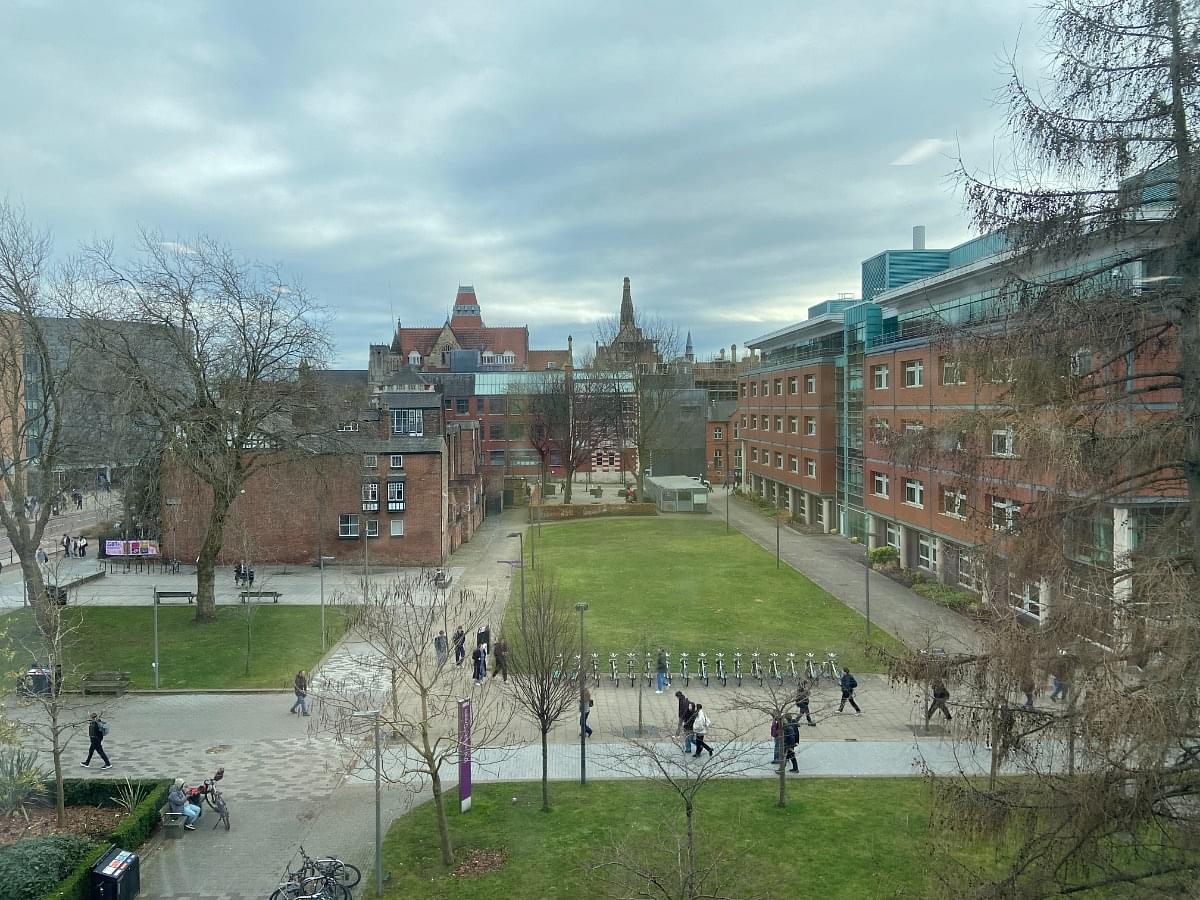
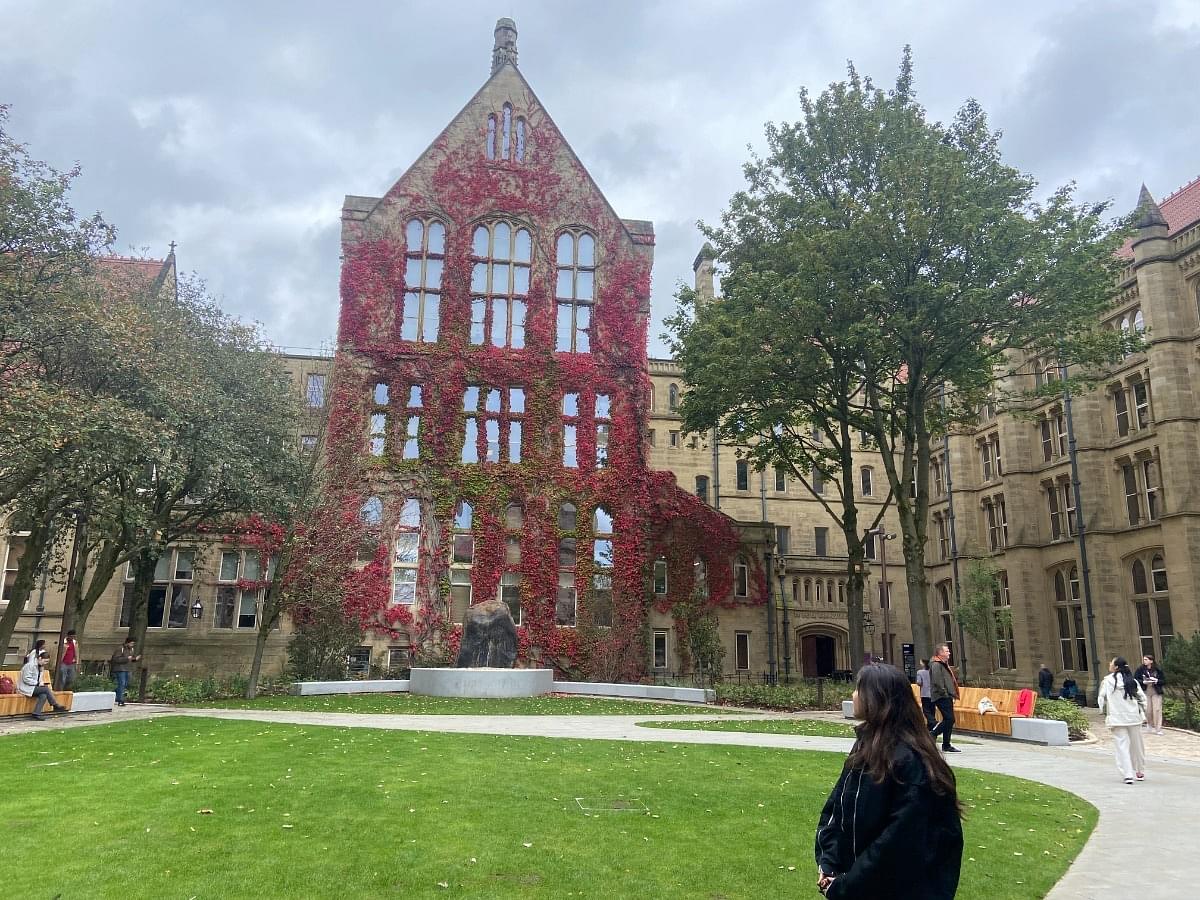
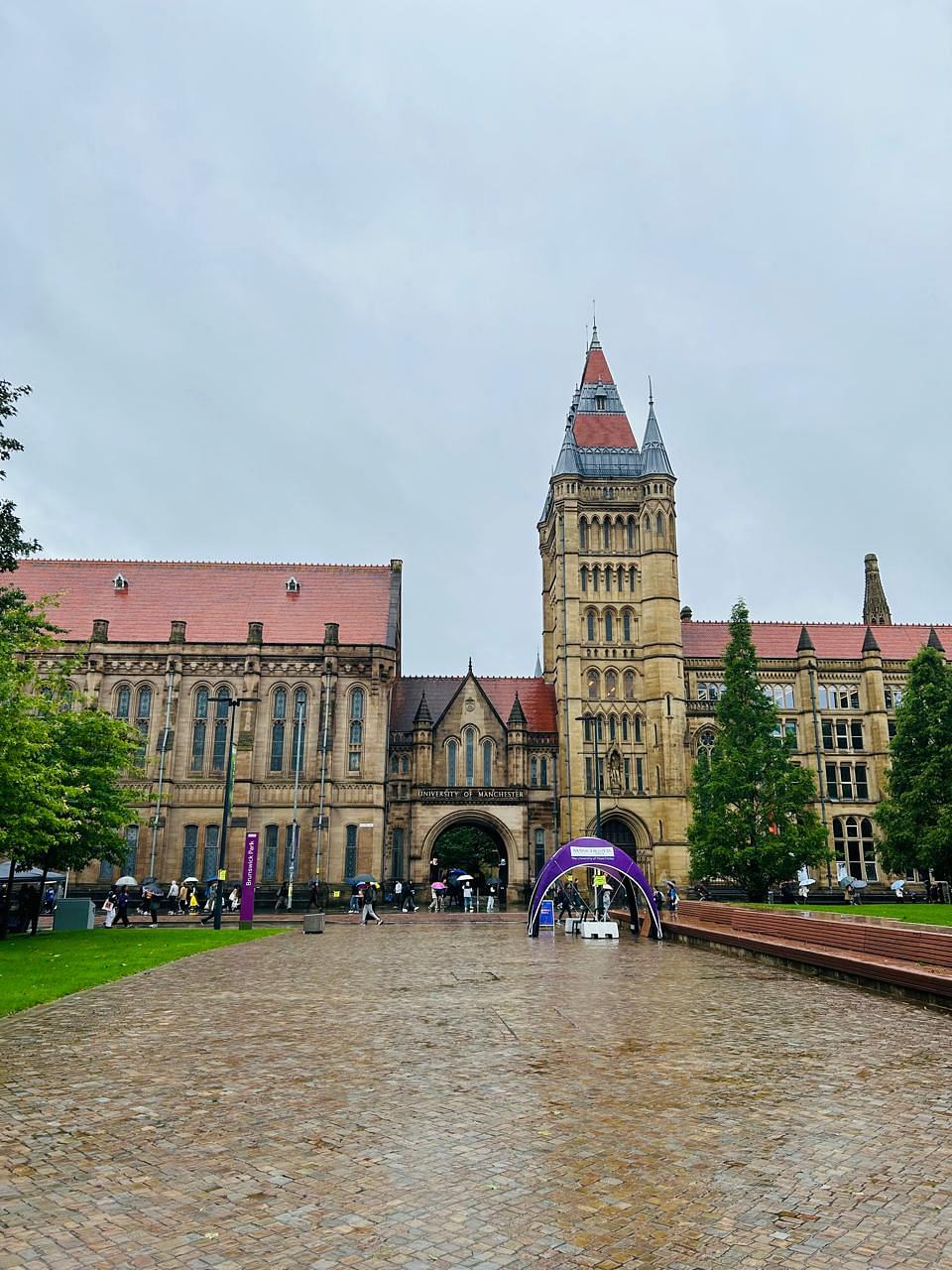
- The campus and infrastructure: It is a vastly spread campus with ample study rooms, labs, eateries and green spaces.
- Ease of communication with faculty
- The accommodation
Dislikes
- Rigorous course: Since the course is rolled into one year, it can get difficult to keep pace with the syllabus.
- A few accommodations are poorly managed.
- Scholarships getting over pretty quickly.
Course Curriculum
- It was definitely a rigorous and challenging course because it is Data Science and it requires both theoretical and practical knowledge. So we had theory classes as well as practical lab sessions. The examinations consisted of written theory papers for 2 subjects and the rest were assignments and assessments-based. It could slightly lean towards being more theoretical in the 2nd semester. Students from non-technical backgrounds, like myself, may find it more difficult than others. The average number of students in my class is 80+. Indians account for about 20 in number. The minimum number of classes scheduled in a day will be 1 or 2 depending on the subject structure, with the maximum number of classes in a day going up to 3. But again, this depends on the elective courses chosen by students. Sometimes there could also be break days with no classes scheduled for the day. The class timings start from 9am in the morning and if there are many classes/lab sessions in a day, it could end by 6pm. But I personally never had a class end beyond 4.30pm.
- The positive aspects of my course were definitely the knowledge gained as a beginner in coding and the range of topics covered by the course, including understanding databases, statistics, machine learning, python, Simulation, data environments, etc. The faculty is supportive and approachable at any time.
- One of the negative aspects I noticed would be the lack of individual attention due to class strength. The other aspect is the percentage segregation of marks weightage between individual and group assignments. Sometimes both have the same weightage, whereas a group should have more than an individual because it usually involves a lot of work.
Fees
- The tuition fee for my course is 36000 GBP. My accommodation fees came to around 7000 GBP for the year. The fees can be paid in a lump sum annually but I chose to pay them in 3 installments, which is an allowed option.
- An estimate of monthly living expenses would come to around 350 excluding rent. It varies from person to person depending on the amount of travelling one wants to do using public transport and the amount of leisurely activities one engages in.

Likes
- Inclusivity-- The environment is very inclusive and welcoming so one doesn't feel left out.
- Diversity-- People of all backgrounds and ethnicities come together to study and it helps create a wonderful experience.
- Support-- The professors, faculty and admin really go to great lengths to help and support you with whatever you may need.
Dislikes
- I haven't found the course to be as extensive as i had expected it to be.
- The careers' service is a bit partial towards business courses and doesn't represent arts courses much.
- The assessment and feedback is quite rushed into the semester, so it can feel very quick at times.
Course Curriculum
- My course was quite demanding in terms of the amount of reading we had to do and the pace of classes. However, it was manageable after 1 month. It was majorly theoretical.
- The most positive aspect of my course was a small cohort size, which made sure we all had space to speak up in class. However, due to the nature of seminars, there was barely any teaching, as it was mostly just discussions.
- We had about 3 days of seminars in a week, and all were ranging from 2 to 3 hours a day.
- The average number of students in my class was 12-20 people. There were only 6 indian students in my course.
Fees
- My accommodation costs about 848 pounds per month, and the course fee was 26,000 pounds per year. The total expenses for rent and fee for the year are about 36,000 pounds.
- There's an option to make a yearly or semester-wise payment.
- Monthly expenses are very subjective but I spend around 250 pounds on groceries. I purchased a bus pass for 105 pounds for term time and 848 pounds for the rent. One can set aside another 50-100 pounds for outings.


Likes
- Inclusivity of all international students
- Regular student’s union activities
- Sportcipate - an initiative to make sports inclusive for all
Dislikes
- I don't think I'm unhappy with anything on campus The commute to university can be a task I really cannot think of anything else
Course Curriculum
- Out of 10, I'd say 6 difficulty levels. It's mostly theoretical. But in seminars, we are often given a case study and made to analyse ourselves and discuss.
- Semester 2, I have classes thrice a week. I'm a student rep and we put forward the suggestion that we have 2-3 classes per day except for one each day of the week because many students commute from far away and have part time jobs.
- 108 students
- Maybe 40-45 are Indian
Fees
- Tuition- 35500
Deposit -1000 - Can be paid in 3 instalments one in September, one in February and one in May
- I am in a student accommodation paying 235 pounds per week from Sep 7, 2024 - Sep 1, 2025
- Monthly expenses depends on individuals
- Bus fares are 2 pounds, 147 number bus is free for students
- Groceries - monthly maybe 100-150
- Depends if you order food and go out often
- But i think monthly 250-300 is okay if you're going out once a month and strictly cooking your food




Likes
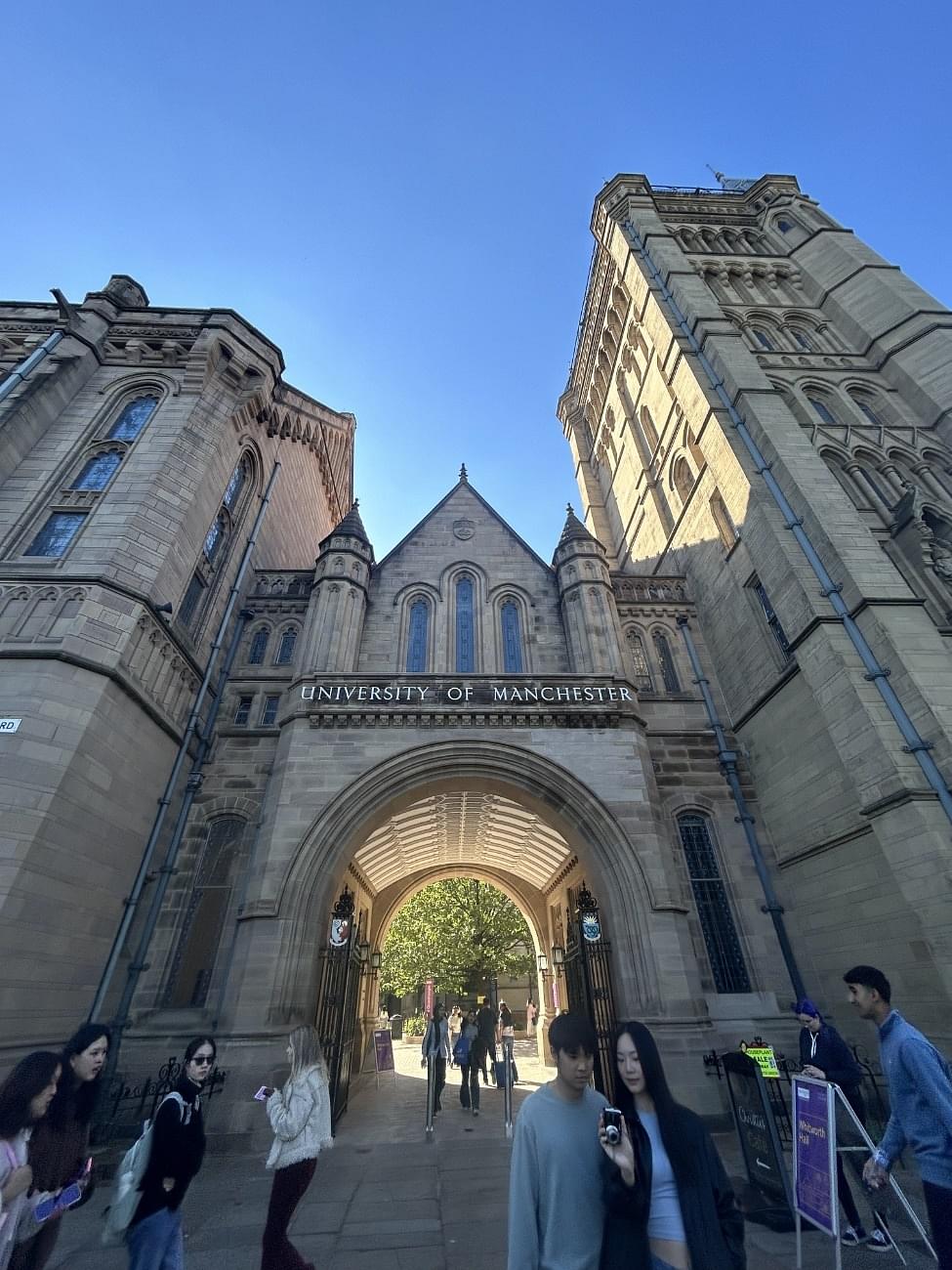
- Campus infrastructure, Weekly Tutorial Sessions, Wonderful lecture delivery
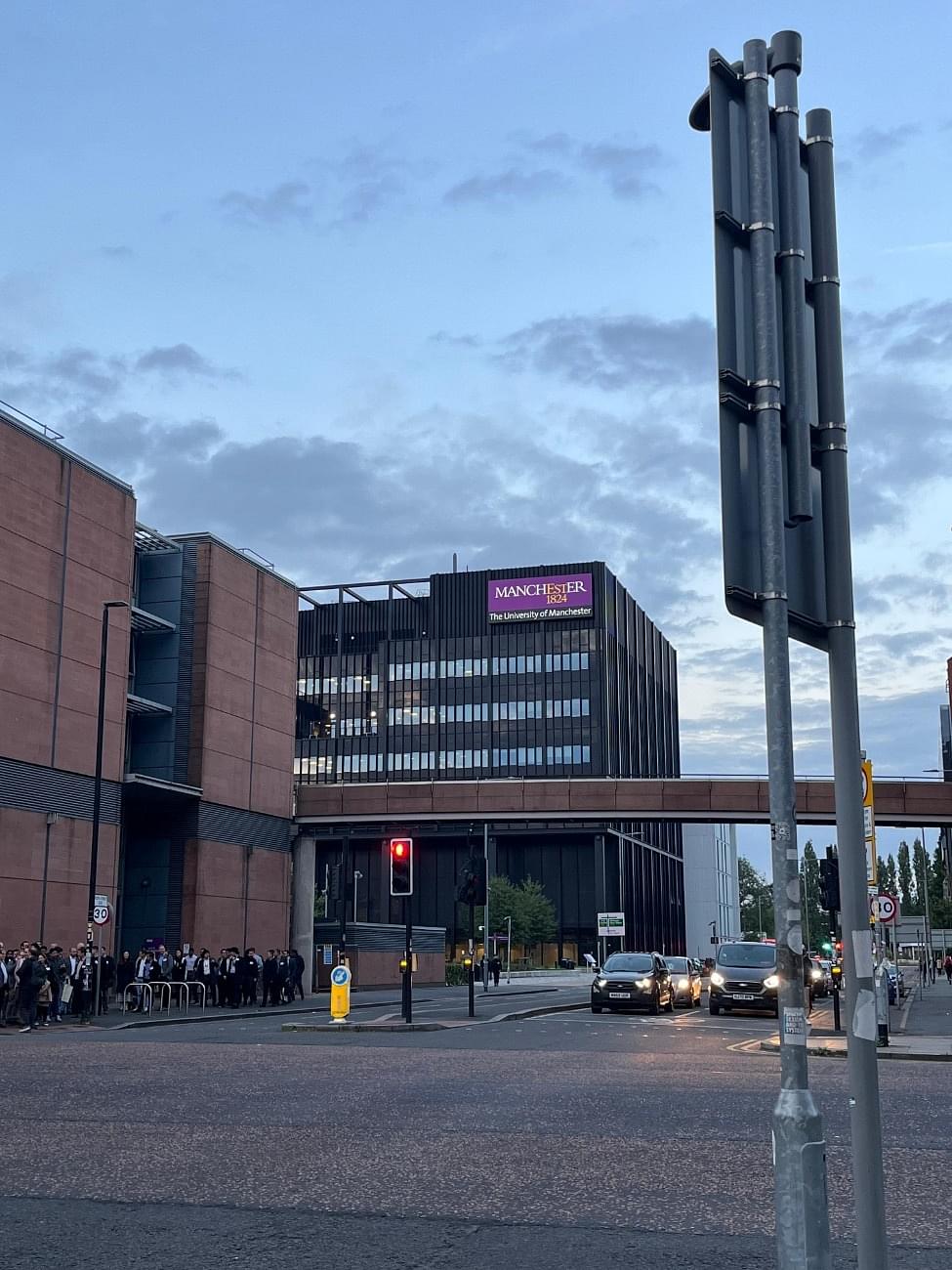
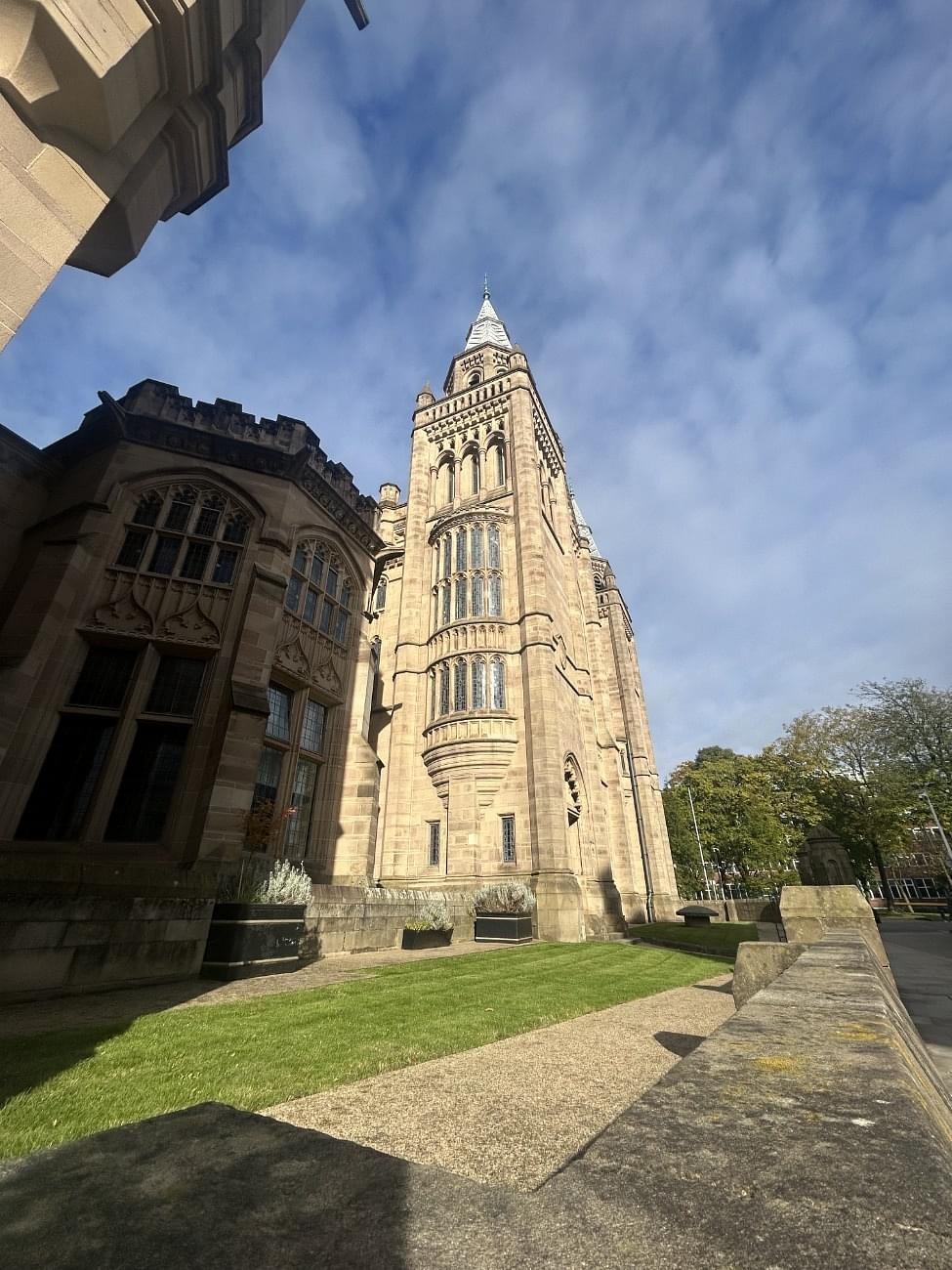
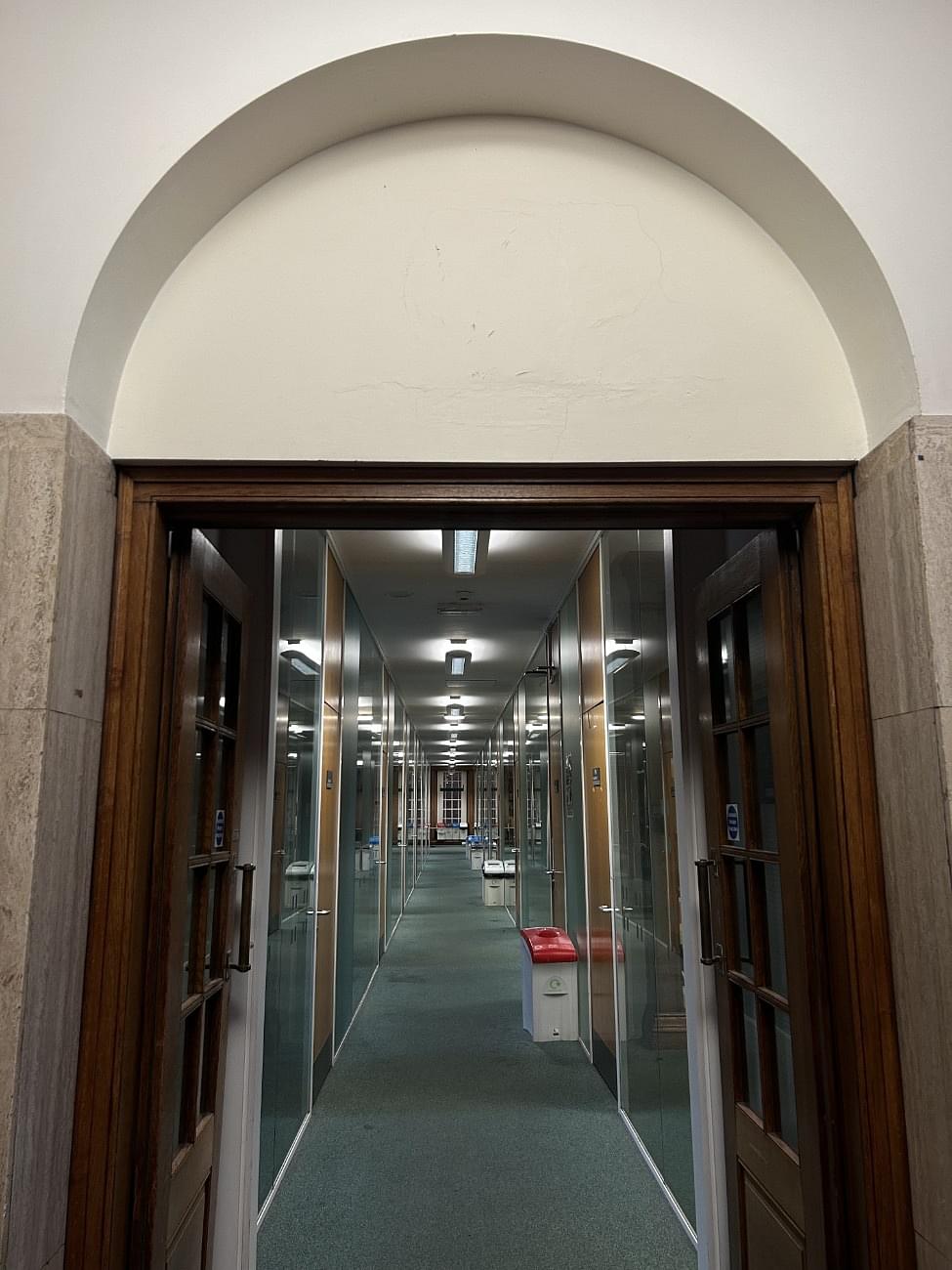
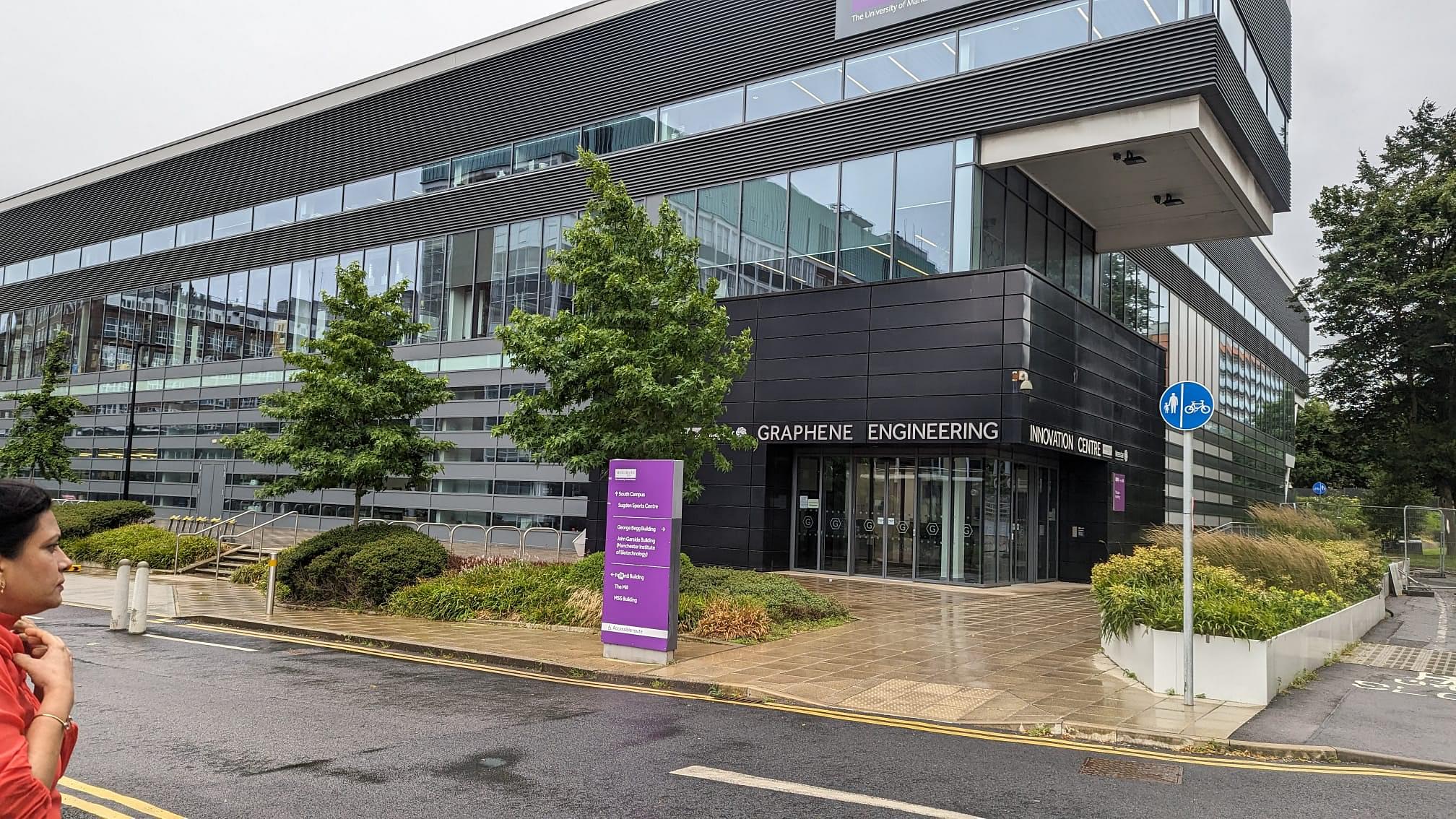
- Nancy Rothwell Building (Formerly Engineering Building A)- home to Department of Mechanical, Aerospace and Civil Engineering
- Collaboration with top Industry players
Dislikes
- The process throughout was very smooth and responsive- nothing to dislike
- The lecture delivery was great- no complains
- Well maintained classrooms, facilities- full points
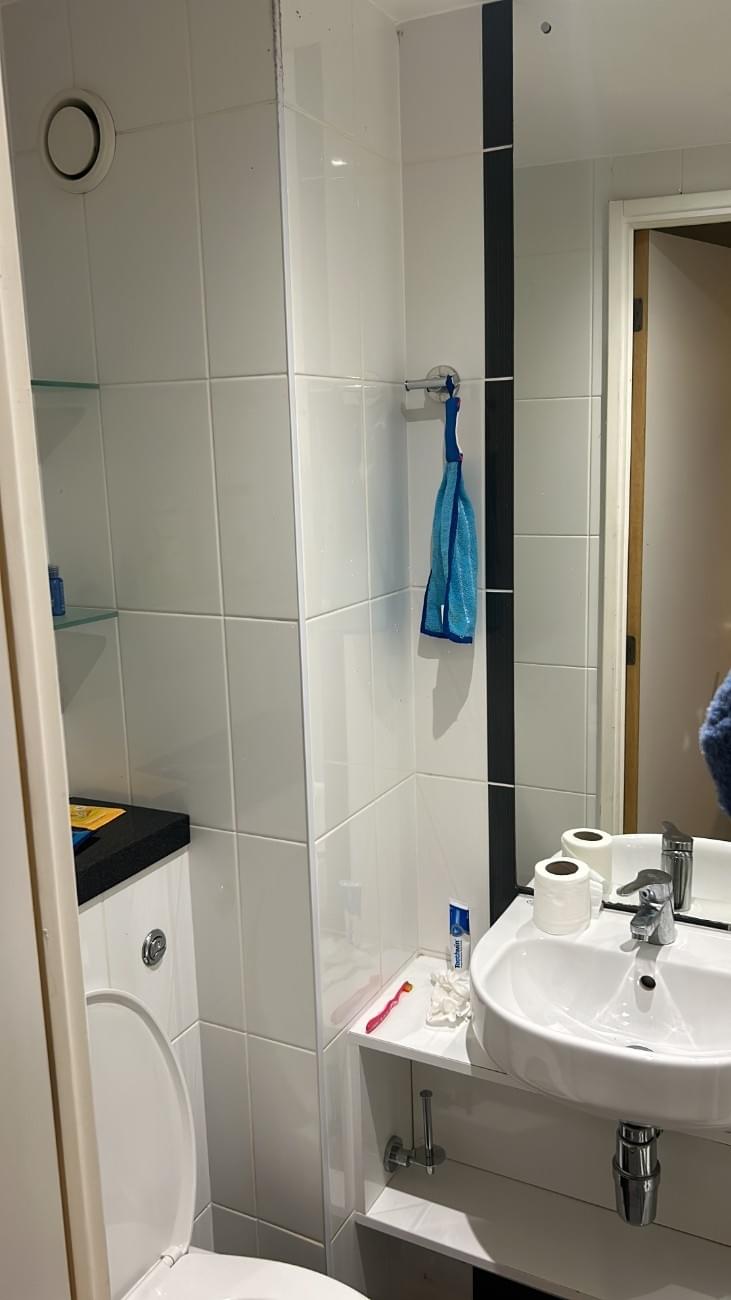
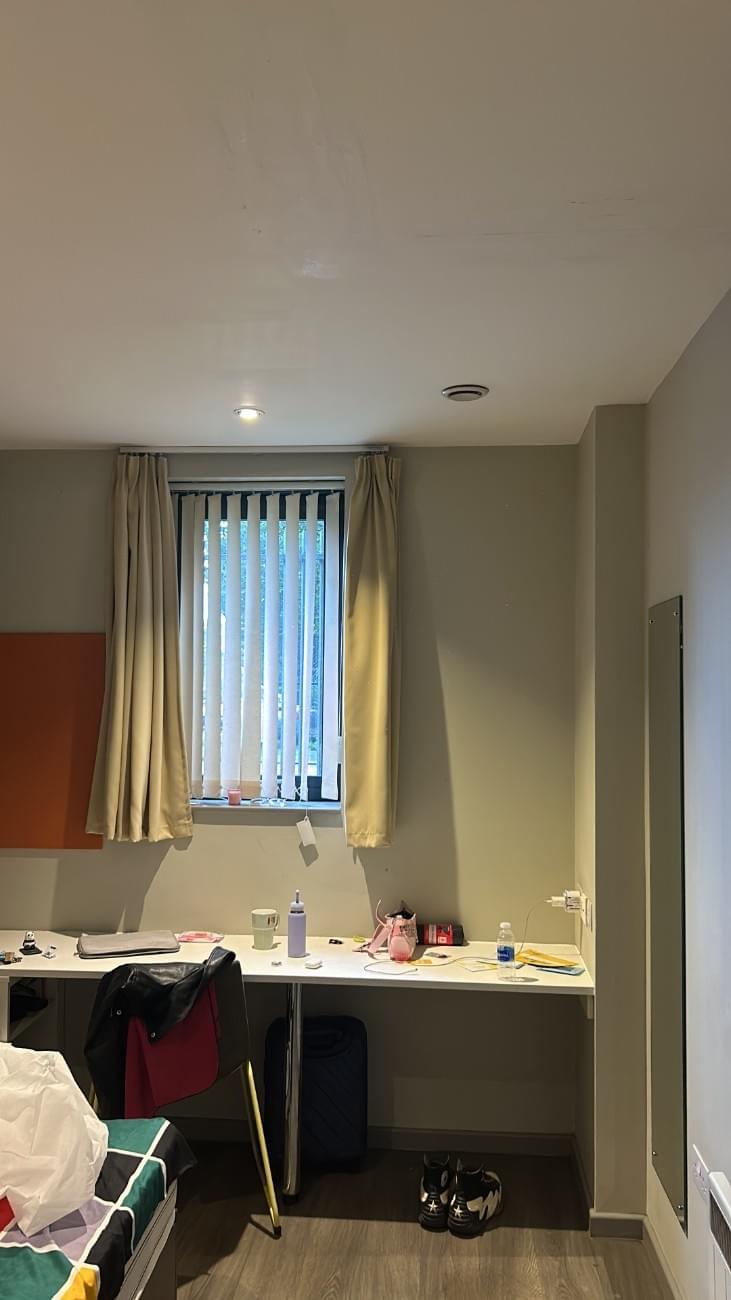
- I searched through local agents. This can be considered cost-effective as compared to on-campus accommodation. The only drawback of staying off campus is that you don't make friends easily, which can make you feel home-sick at times. I have seen a lot of students staying on campus being more involved in groups.
Likes
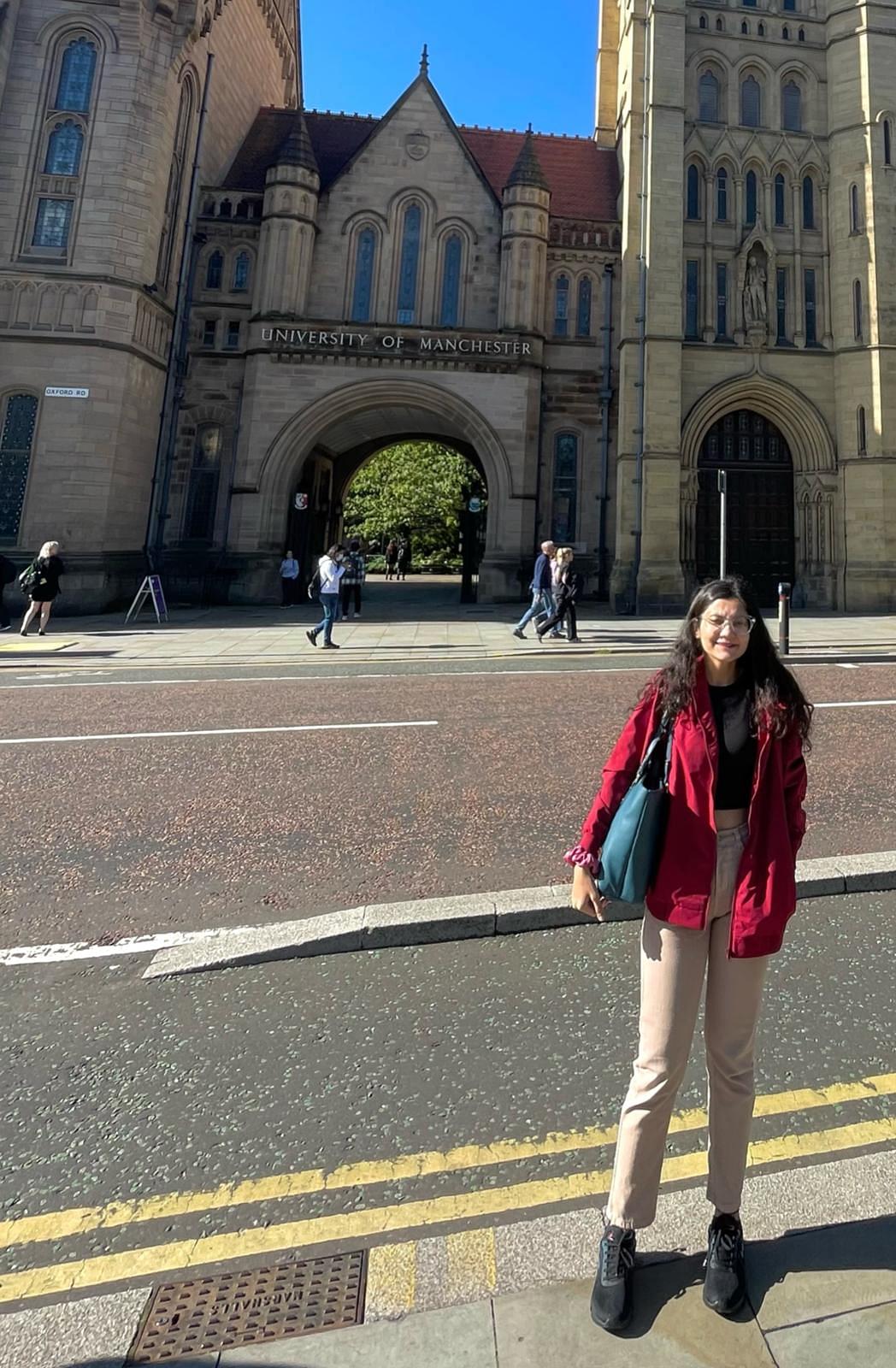
- Research based exams and students should read and understand varied research papers about their topics to excel in their course.
- Accessible software such as Bloomberg, STATA available for student use.
- Lecture podcasts and help is available for students
Dislikes
- Once you are finalized with the subjects/project topics, its nearly impossible to get it changed after the deadline.
- For international students, its harder to adjust to the study patern of the university, as it is more research based.
- Tuition fee is quite high as a student
- I searched for the accommodations months in advance and I emphasise the need for students to book their accommodations as early as possible. Because as time runs short, the prices skyrocket. Also, the location of accommodation matters a lot—how close it is to the university, the closest market and bus stations, etc.


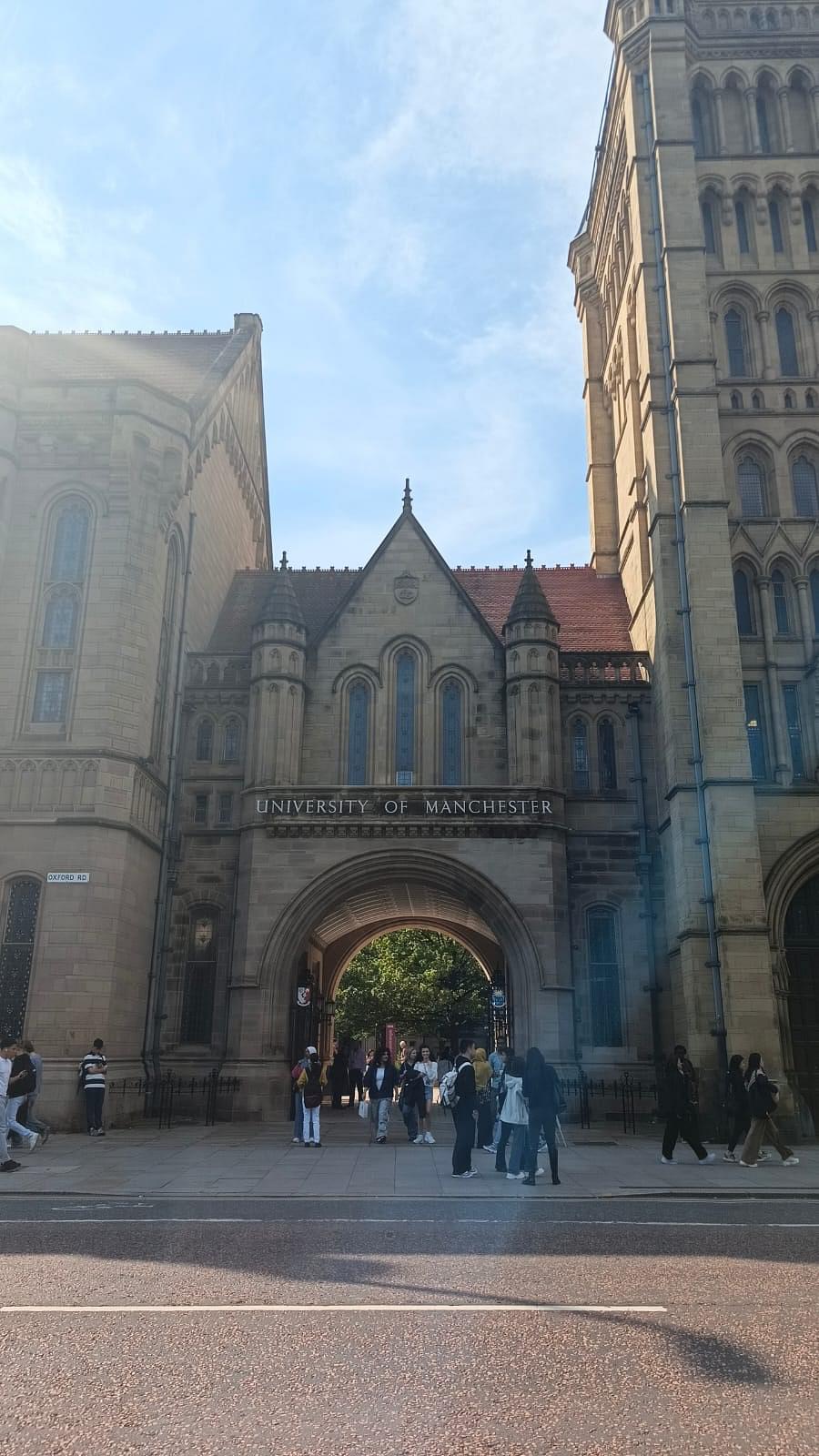
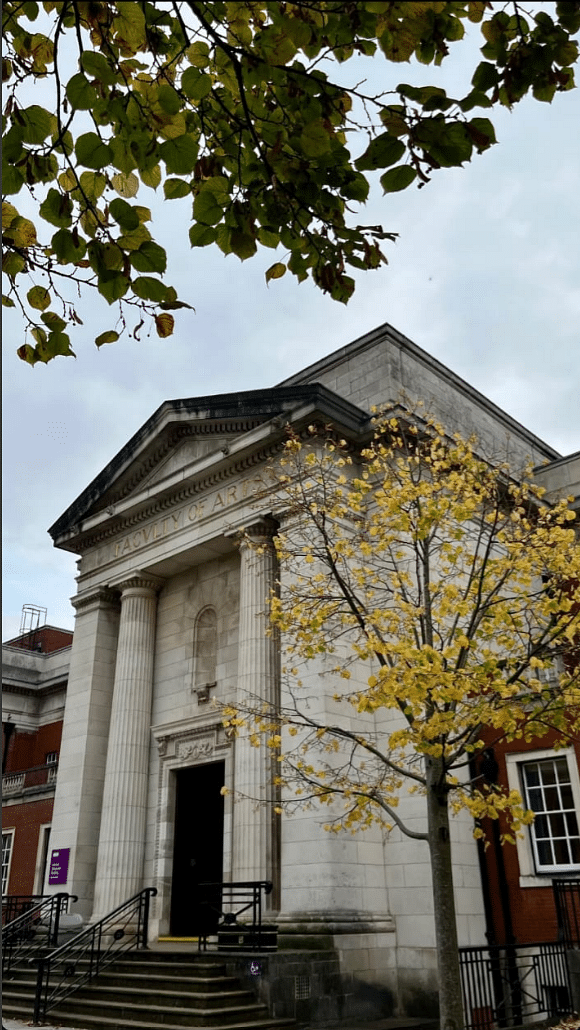
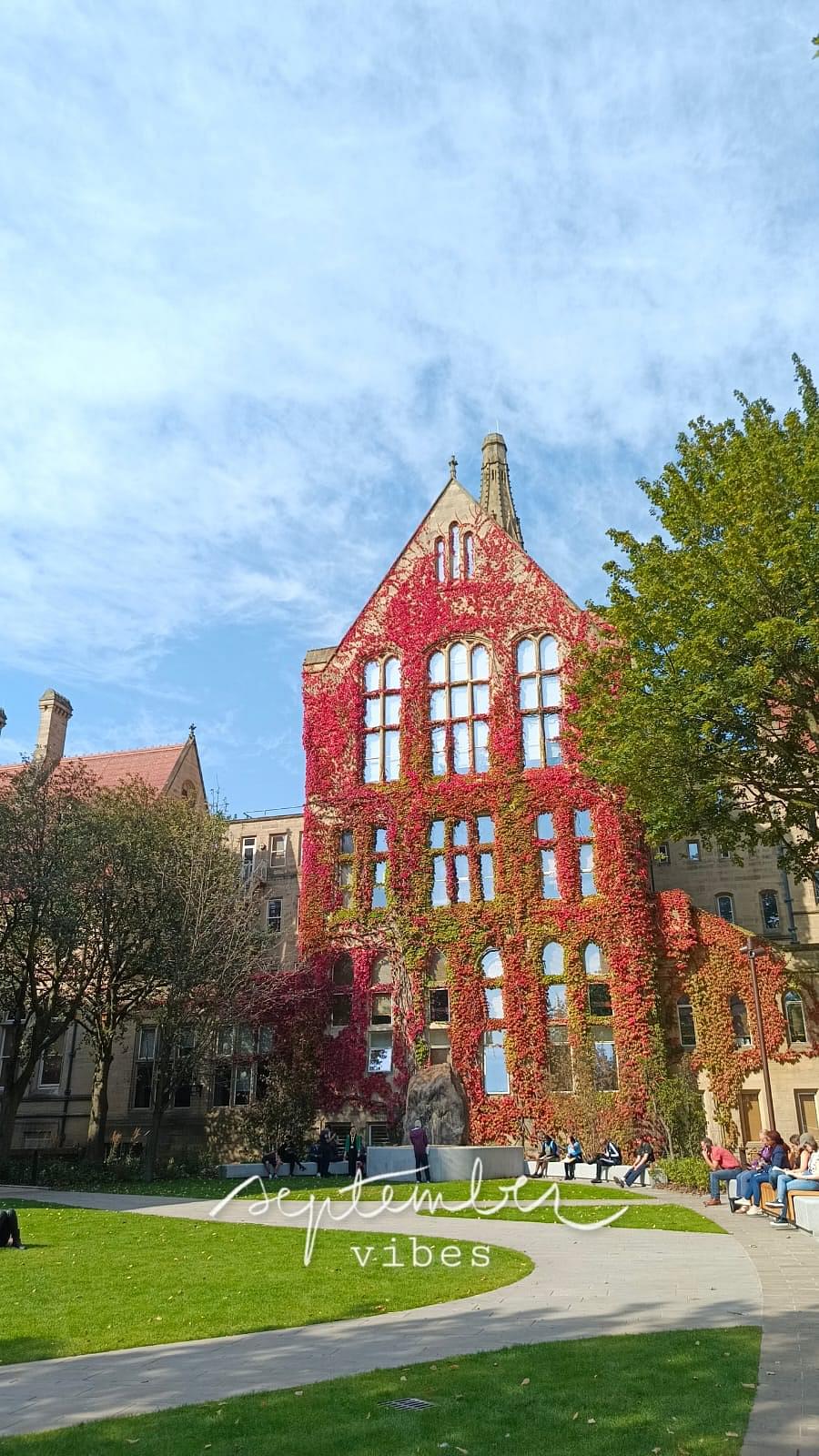
Likes
- There were so many memorable and enjoyable events throughout my college life. Though covid really made it all to make it sufferable but I'm sure if that never happened then these years would've been even better infinitely which sucks honestly.
- I am an engineering student so idk about other majors like arts or business (Though they do seem to have no work at all) but the curriculum here is mostly hands on-experience, reports, experiments, labs, workshops, projects, and group/team work related events and stuff which is very exciting and make sure you never miss on those. It's something quite unique that I am very sure the Indian curriculum never taps our students' potential on. Though at the end there is always a theory exam which has 80% weightage but that's a given.
- Since it's a foreign university, you'll get to meet lots of people from all the countries over the world and you'll be able to learn a lot from them because it's basically a different perspective of how they grew up. Make sure you make lots of friends!!
Dislikes
- I'll say things I disliked in general because it's not really college alone but the situation as an International student altogether: It's expensive. As an Indian I know you guys understand me the most that living in the UK or anywhere in the world as an international student is quite expensive. Even if you think you can get a part-time job (hard to immediately get as an international) to offset some of your personal expenses. It's not always feasible because you gotta balance your studies and social life as well and to have it three ways with work when you'll be having constant deadlines it will be very tough. So when you choose a foreign university make sure you're ready to empty your pockets which honestly sucks but such is life.
- I'd say Indian food is best so you always miss home food. Whenever I come back home I just bulk up as much with no questions asked. Food is something which generally sucks in the UK so it might be a UK thing lol.
- Getting a job as an International student is a nightmare. This thing might come as a shock but this was something which shocked me as well. TBF i've seen dumb people get hired more often than smart ones so it might be the job market or companies fault but I'd say this yeah studying in foreign university increases your employability worth but its not certain and you will like me and many others will struggle whether to get part time or full time job. Though Ivy leagues are different but then again USA best country raaaahh so companies prefer them in general.
Course Curriculum
- Engineering is hard is all I am gonna say. Perfect blend of both theory and practical studies.
- Normally classes are 9 to 6 with like 1 hour break between each lecture, sometimes no break but depends a lot on modules and degree you're doing.
- Average number of students in my batch is at least 100 students. In a class tho its 50 for specific modules and 150+ for some first year courses which you share with other engineering students like aerospace and civil, etc. But generally speaking 1 to 50 in classes and 1 to 10 in tutorials is normally a faculty to student ratio which is quite fair imo.
Fees
- Main costs include Tuition fees which you will see on your degree course page of that university.
- Second comes rent and I'd say just choose student housing/accommodation especially if provided by university.
- Monthly expenses in the UK generally depend on the city but always choose student accommodation which is cheaper and better plus easier to make friends with and you don't have to pay council house taxes and utility bills like wifi, gas, electricity and water, etc.
- Yearly rent and such will cost like 8000 pounds/year (student accommodation generally comes with catering so that also helps). Regular expenses are now based on an individual's lifestyle and it varies a lot depending on how much you party and travel and stuff so I am not gonna prefer to say how much I spend.
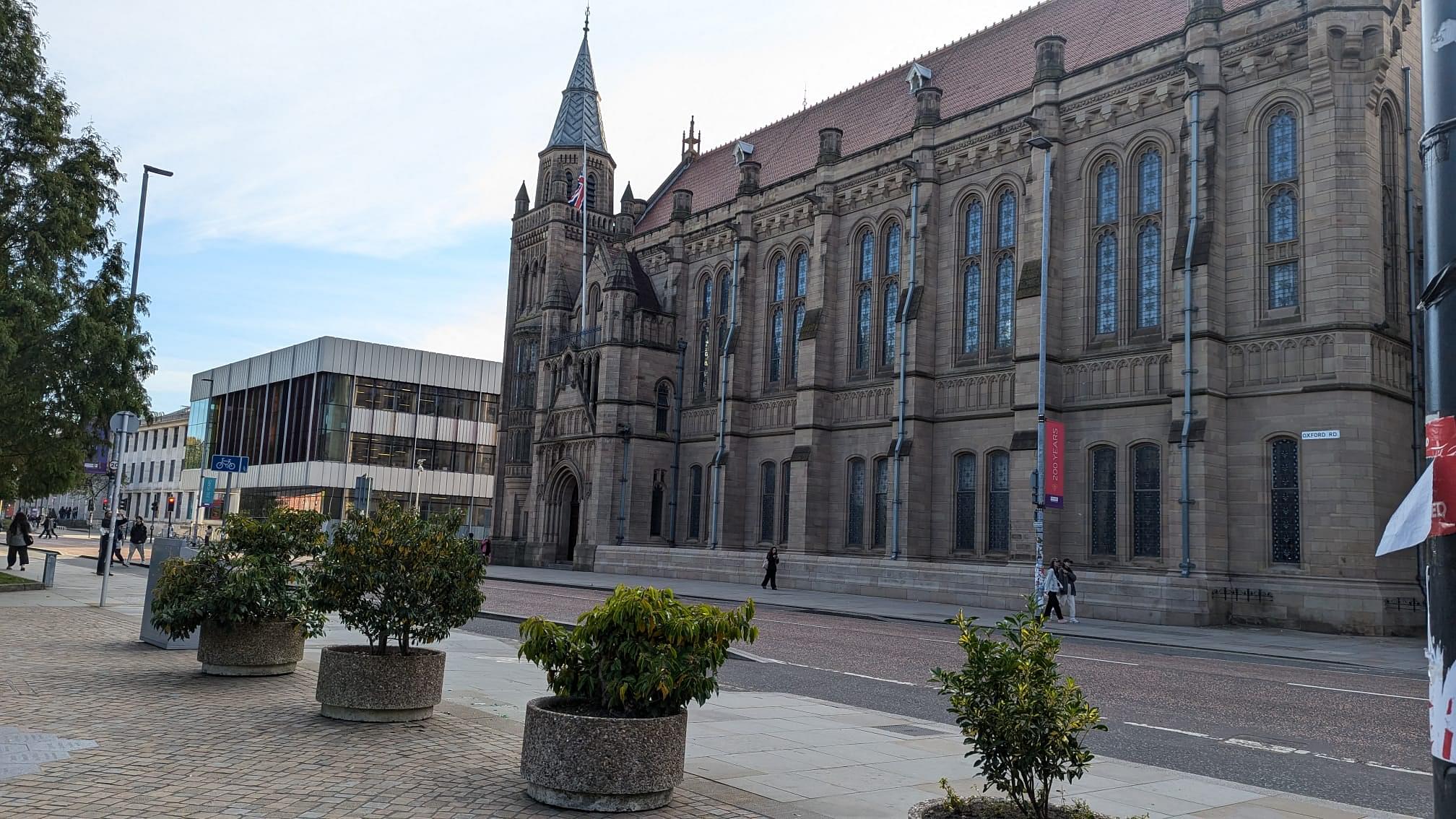
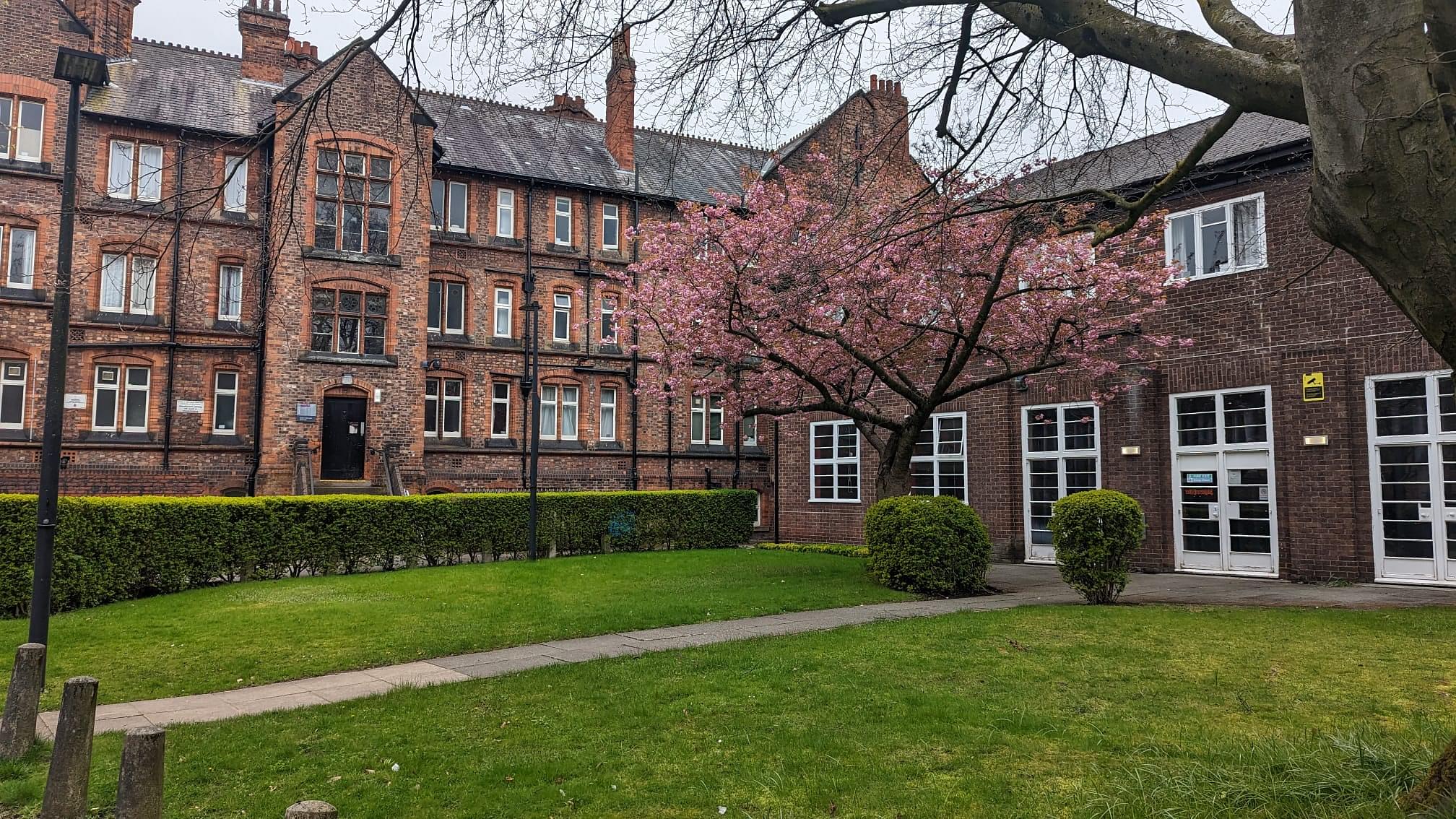
Likes
- Location- close to city center
- Location- close to city center Faculty - Highly qualified and experienced
- The accepting environment for people from all backgrounds, races.
Dislikes
- Very active in 1st sem, very low energy and activities in 2nd and 3rd sem.
- Very large campus- makes it difficult to commute within the campus.
- Food at cafe - very average in taste
Course Curriculum
- Course curriculum was practical and theoretical, a mix of both. Difficulty level was medium, not very easy or not very difficult.
- There were 50 students in my class. Approx 8 Indian students in my class.
- Teaching methodology included a mix of theory and practical. The practical knowledge is very helpful for us. Although the course could be improved with introduction of more marketing and digital marketing tools to be used in real life.
- More tools would be helpful in securing a job in the professional field later.
Fees
- 187£/ per week rent for 51 weeks - University accommodation. So it would be 750£ / month (approx) rent.
- Tuition fees were 29000£ for the whole year. Fees paid in 3 installments. (December, april and june)
- I got a Scholarship - 10% on tuition fees
- Monthly expense around 300£ (without rent). 100 £ travel - transport etc, 100 £ groceries, 100£ for other expenses (eating out, trips, shopping, etc)
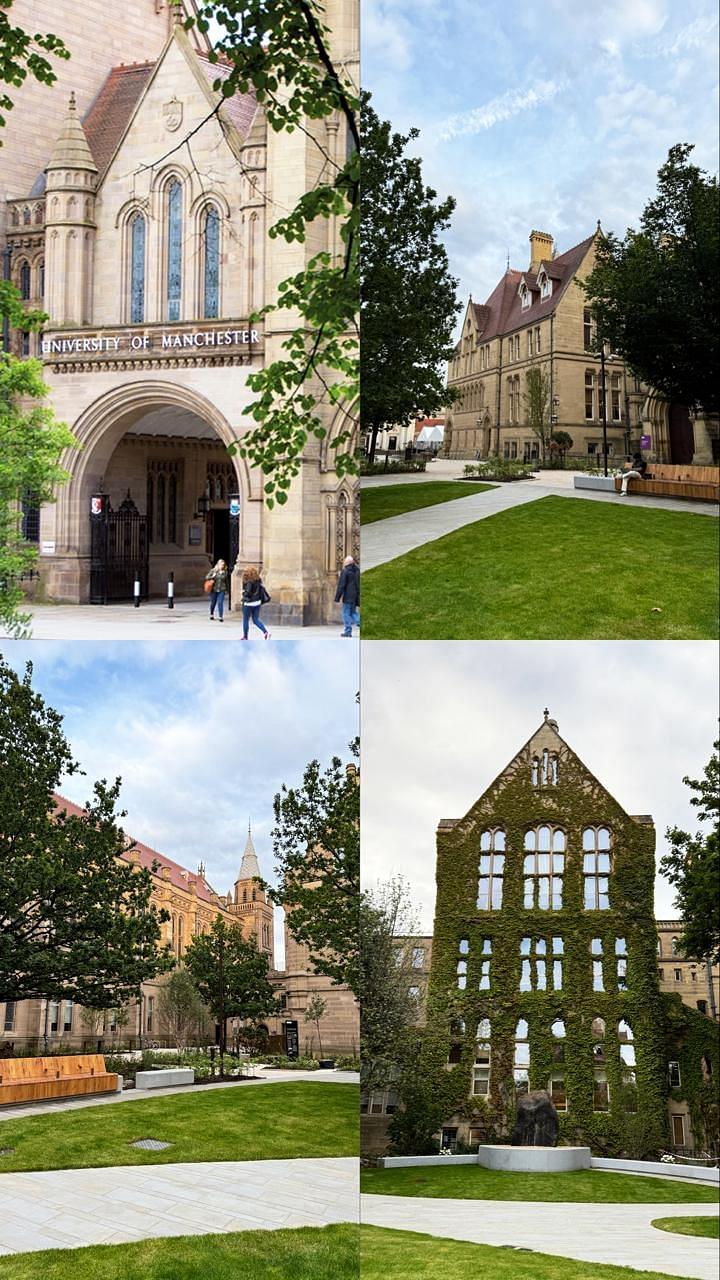
.jpeg)
dOGVmW



Comments